
SMS POLYLEVEL

FLAT ROOF INSULATION

The Current Situation
in the UK OR PROBLEM

The UK aims to reach Net Zero by 2050, backed by new legislation that may include “carbon checking” for planning applications. This is critical because the built environment accounts for 40% of the UK’s carbon footprint, with half of that stemming from construction and materials.

To meet these targets, the government is prioritizing the refurbishment and reuse of existing structures over new builds. Currently, construction and demolition generate 62% of UK waste. Since 80% of today’s buildings will still be in use by 2050, massive retrofitting is required to improve energy efficiency and minimize embodied carbon.

The UK government has pledged to reduce carbon emissions by

80%

by 2050 (compared to 1990 levels)

UK SHORT-TERM STRATEGY

The government is streamlining planning rules to convert vacant commercial spaces into residential or "smart office" hubs.

SCALE

SCALE

In the immediate term, according to the British Retail Consortium (BRC), there is an estimated 140 million M² of empty retail property in the UK, making up 14% of the total commercial property stock.

CHALLENGES

CHALLENGES

Much of this stock is in town/City centres across the UK, where demolition can prove logistically, financially and environmentally very costly.

CONSTRAINTS

CONSTRAINTS

These older buildings often have poor thermal performance and are subject to listed status or conservation rules that limit aesthetic changes.

TECHNICAL HURDLES

TECHNICAL HURDLES

Existing bituminous inverted flat roofs are difficult to upgrade. Increasing insulation often requires greater thickness to combat cold bridging, which can conflict with legal height restrictions and building aesthetics.

SMS Polylevel Roof Dummy

OUR SOLUTION: SMS POLYLEVEL

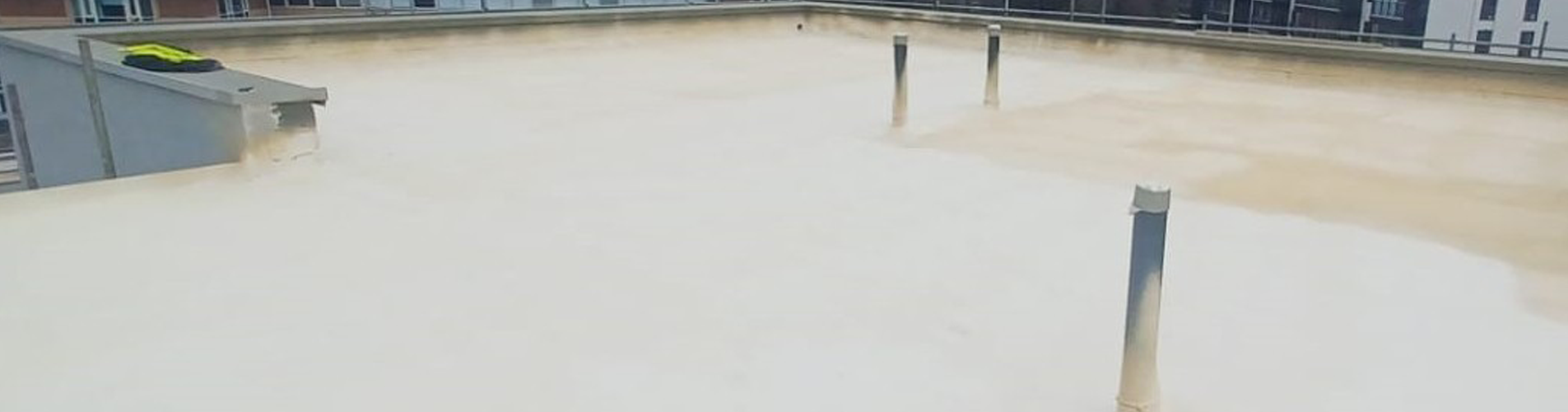
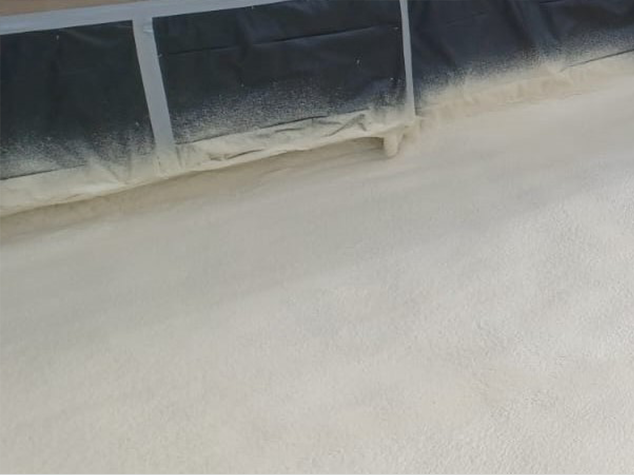
Utilising existing BASF technologies, SMS have pioneered a spray applied insulation system called Polylevel that can overcoat any existing flat roof to any desired thickness.

It offers greater thermal efficiency at thinner thicknesses compared to traditional insulation systems, due to the fact the Polylevel eliminates cold bridging. The system is seamless and fully bonded, therefore there is minimal chance of water penetrating and sitting underneath the insulation, which causes cold bridging and is detrimental to thermal performance.

The potential savings for the client using this system include:

  • Reduced requirement of extending upstands to meet handrail requirements
  • No need to add additional waterproofing systems (existing waterproofing would be tested before Polylevel install)
  • Split level roofs, or any complicated shapes or deviations, can be easily coated in polylevel
  • Minimises the need to reduce head space inside a building.
  • No demolition required for install.
  • More cost effective than any existing refurb roofing system
  • Can be sanded to create either a fall on the roof or level to create a zero falls roof.
  • Light weight (4% the weight of water), so no need for additional structural strengthening.
GET IN TOUCH

CARBON REDUCING CAPACITY

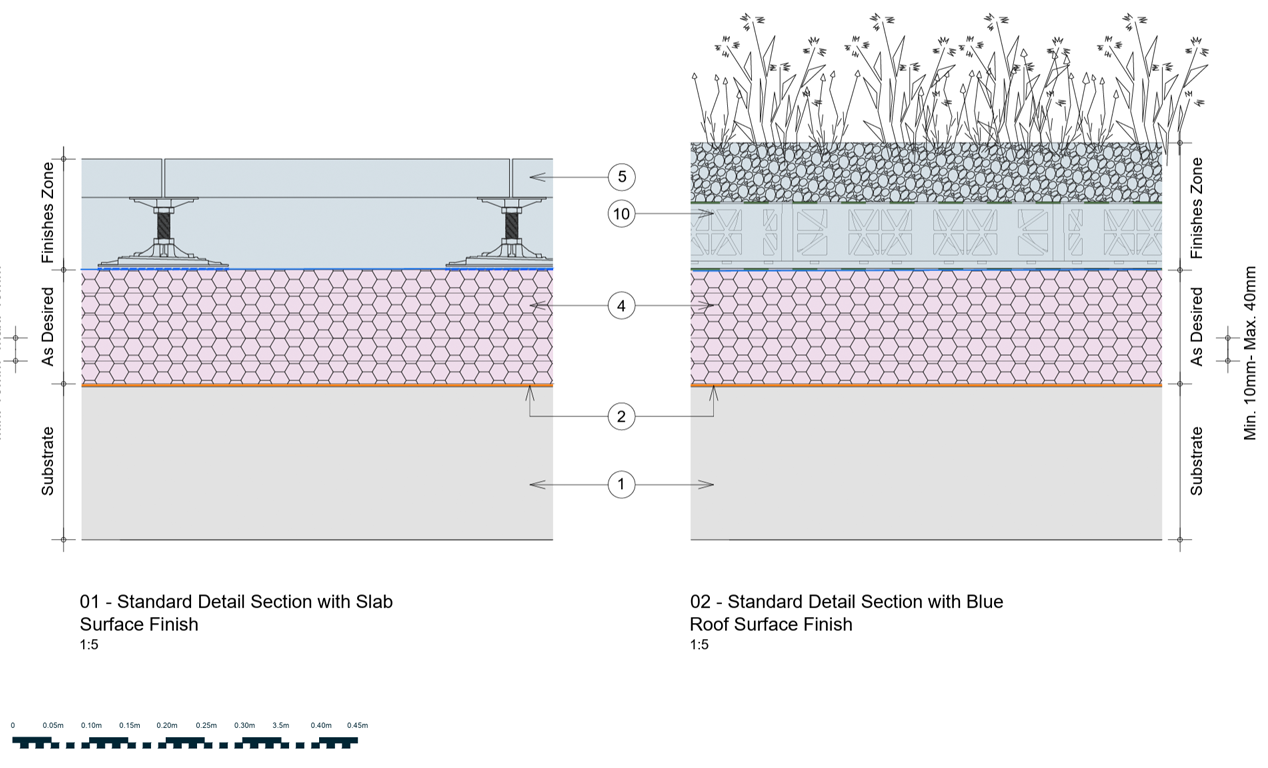
The polylevel system also assists with introducing supplementary systems to increase a roofs carbon reducing capacity:

Reduce 1

No requirement for additional root barriers for
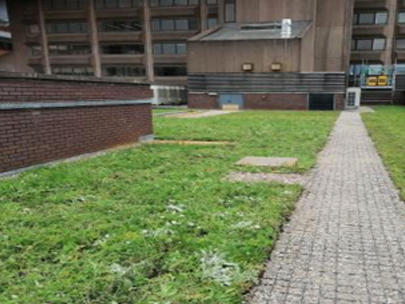
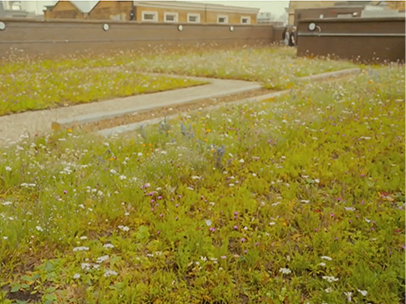
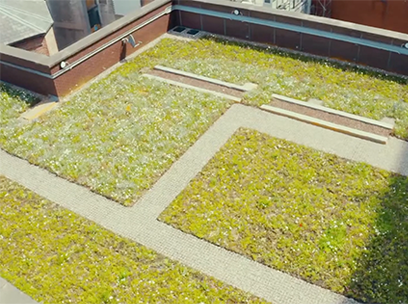
Green roof coverings

Reduce 1

Has compressive strength to allow for solar panel systems to be installed over the top without a detrimental effect on the thermal performance.

Reduce 1

Water retention systems (blue roof) can be installed over polylevel without any additional waterproofing requirements.

img

U VALUE COMPARISON

Scenario: 5th Storey, 150mm RC slab zero falls, Waterproofing to slab, insulation and Gravel finish

U VALUE REQUIREMENT XPS REQUIRED THICKNESS OUR POLYLEVEL REQUIRED THICKNESS
0.16W/m²K Cross 415mm Check 180mm
0.18W/m²K Cross 330mm Check 155mm
0.20W/m²K Cross 270mm Check 135mm

CASE STUDY

LOWRY HOUSE PROJECT, MANCHESTER

The Lowry House project in Manchester was the referb of an existing retail building into a modern office block. The referb centred around the building being carbon neutral when the building was operational.

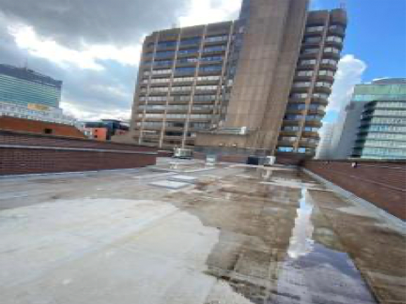
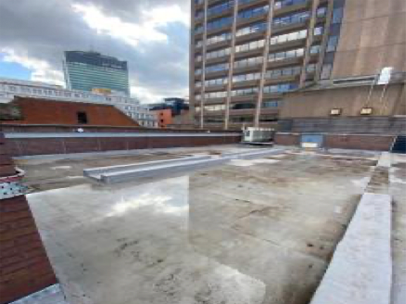
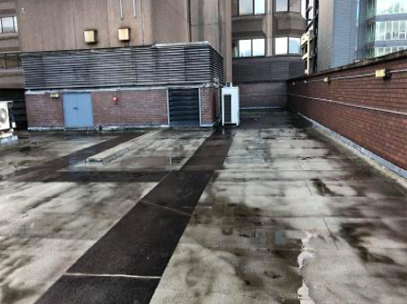
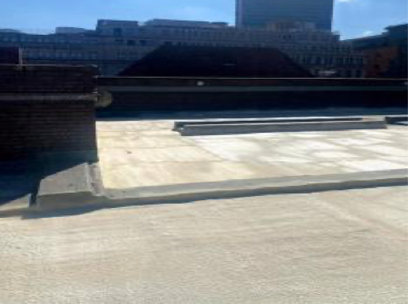
The building had an existing flat roof, with a tested waterproofing system, but held a large amount of ponding water and thermal efficiency was poor.

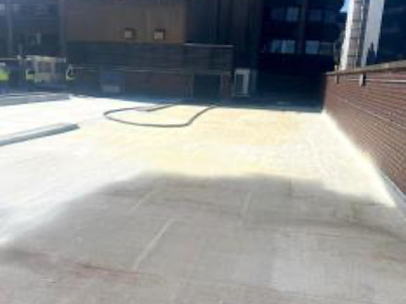
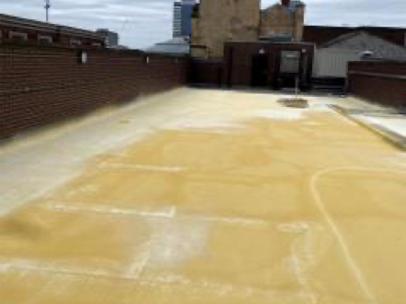
SMS sprayed polylevel over the entire roof for 2 reasons. The first was to improve the thermal efficiency of the roof, the second was to create a zero fall roof to allow for a blue roof attenuation system to be installed over the roof.

The roofs potential load was going to stretched, so the fact that Polylevel added no real weight was of huge benefit.

Lowry House Video
WATCH VIDEO

LEARN MORE ON THE NBS CONSTRUCTION
INFORMATION PLATFORM

READ MORE

Start a New Project

    or call us on 01708 372314

    © Copyright 2020 Structural Sealants Services. All rights reserved. Site designed & built by CO-LAB